The Making of Travertine Cladding: elegance and durability for your spaces
July 1, 2024
Travertine is one of the most popular and widely used natural stones in the world of design and architecture.
With its timeless beauty and excellent properties, travertine is an ideal choice for those who want claddings that combine aesthetics and functionality.
In this article, we will explore the characteristics of travertine, the benefits of cladding in this stone, and the process of making it.
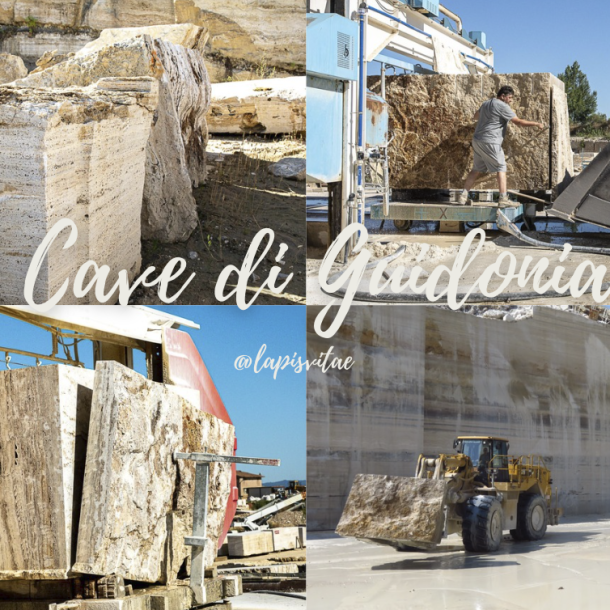
Travertine is a sedimentary limestone that forms near hot springs.
This natural process gives travertine a unique porous texture, with veins and hollows that vary from piece to piece, making each slab a natural work of art.
Travertine colors range from white to cream, beige to walnut, and red and gray, offering a wide range of options to meet any of your design needs.
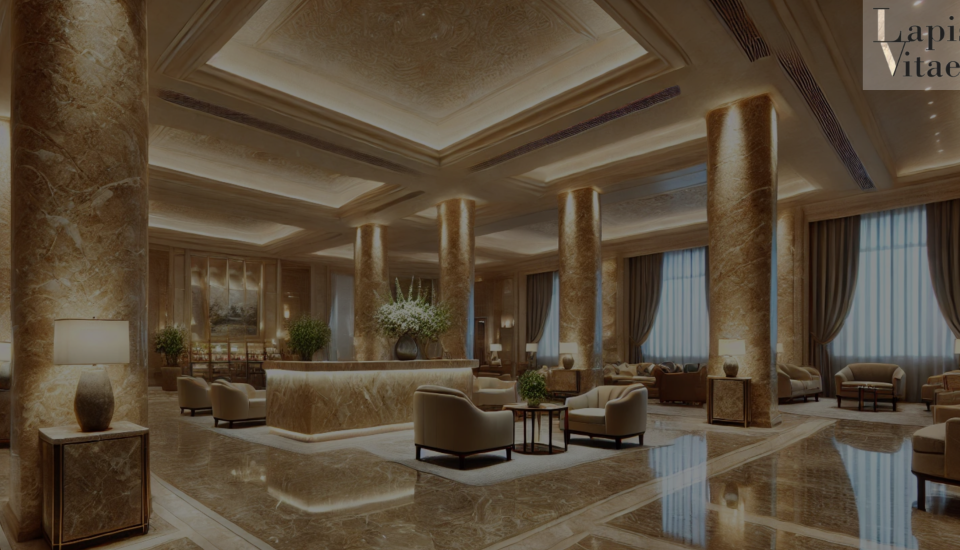
The use of travertine has several advantages. This stone lends an elegant and sophisticated look to spaces, thanks to its natural texture and color variations.
It is an ideal choice for those who want a cladding that expresses luxury and sophistication.
In addition, it is extremely strong and durable.
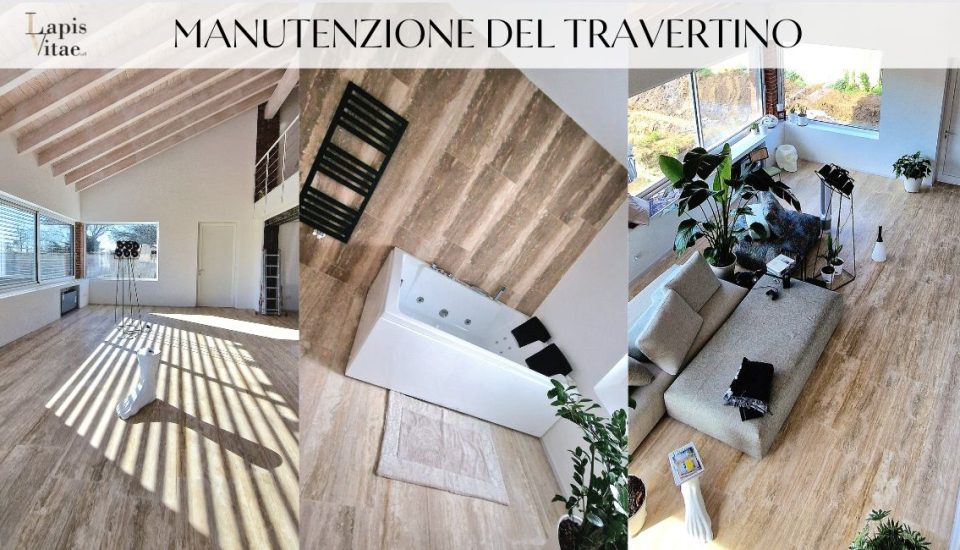
If properly sealed and maintained, it can last for decades while maintaining its beauty. Suitable for both interior and exterior applications, travertine is perfect for floors, walls, bathrooms, kitchens and facades.
Its ability to adapt to different design styles, from classic to contemporary, makes it a versatile choice.
It also possesses excellent thermal properties, making it ideal for heated floors.
It is able to retain heat, providing natural thermal comfort.
The Process of Making Travertine Cladding
The first step is to select high quality travertine. It is important to choose slabs with the right combination of color, grain, and texture for the specific project.
Once the slabs are selected, they are cut to the desired size and finished. Finishes can vary from polished to honed to brushed, depending on the desired look.
Before installation, the surface to be coated must be properly prepared.
This includes cleaning, leveling and, if necessary, applying a primer.
Travertine slabs are then installed using a specific adhesive for natural stone. It is critical to ensure that each slab is placed correctly and that the joints are filled evenly.
After installation, the travertine should be sealed to protect it from stains and moisture. Sealing should be repeated periodically to keep the stone in perfect condition.
Maintenance of travertine is relatively simple.
Simply clean it regularly with a mild, nonabrasive cleaner, avoiding acidic products that could damage the stone.
Travertine can be used in a variety of applications, including:
Flooring: Ideal for indoor and outdoor use, travertine floors add a touch of elegance to any room.
Walls and Coverings: Perfect for bathrooms, kitchens and living rooms, travertine wall coverings create a striking visual effect.
Luxury Bathrooms: Travertine wall tiles for showers, bathtubs and sinks offer a spa-like look.
Exterior Facades: Used to clad building facades, travertine resists weathering well and maintains its beauty over time.
Travertine is a natural stone that combines aesthetics, durability and versatility, making it an excellent choice for high-quality cladding.
Whether for a renovation project or new construction, travertine will add a touch of elegance and uniqueness to your spaces.
We use cookies to ensure that we give you the best experience on our website. If you continue to use this site we will assume that you are happy with it.